
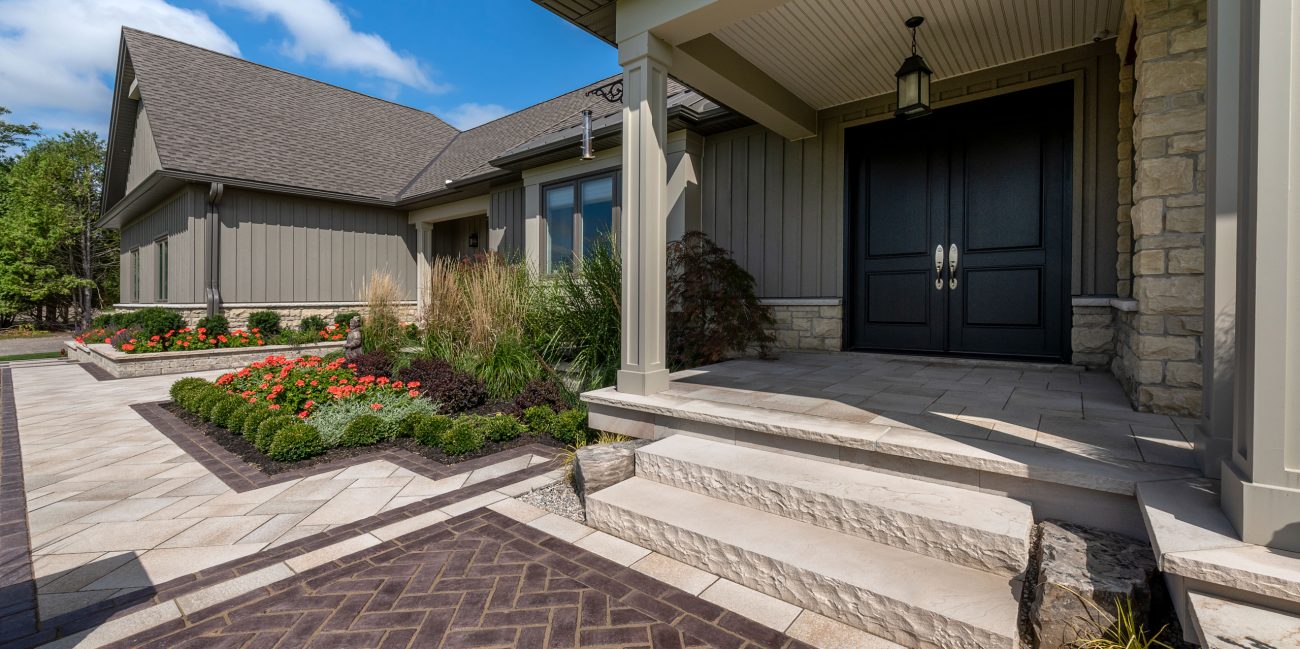
Paver Sealing & Restoration in Wheaton and Glen Ellyn, IL: Cost, Process & Signs It's Time
Paver Sealing & Restoration in Wheaton and Glen Ellyn, IL: Cost, Process & Signs It's Time
Thousands of homes across Wheaton, Glen Ellyn, Lombard, and the rest of DuPage County have paver patios, walkways, and driveways installed 10, 15, even 25 years ago. Most of them are structurally fine — pavers are built to last decades — but many look tired: faded color, weedy joints, moss in the shade, maybe a sunken spot near the downspout. Here's the good news that surprises most homeowners: you almost never need to replace an aging paver surface. Professional paver restoration and sealing can bring a 20-year-old patio remarkably close to day-one condition, at a fraction of replacement cost.
6 Signs Your Pavers Need Restoration (Not Replacement)
Faded or chalky color — UV exposure dulls unsealed pavers over the years
Weeds and moss in the joints — the jointing sand has washed out or broken down, letting airborne seeds take root
Ants building mounds between pavers — another symptom of failed joint sand
White hazy film (efflorescence) — natural mineral salts migrating to the surface; unsightly but treatable
Sunken or heaved sections — usually localized settling near downspouts, edges, or old utility trenches
Black/green staining in shaded areas — organic growth that pressure washing alone won't keep away for long
If your pavers are cracked and widespread areas have settled, that points to a base problem and we'll tell you honestly whether repair or rebuild makes more sense. But in most DuPage County homes we visit, restoration is the right call.
What Professional Paver Restoration Actually Includes
There's a big difference between "a guy with a pressure washer" and a true restoration. A professional process looks like this:
Step 1: Repair and Re-Level
Sunken areas are carefully lifted, the base beneath is corrected and re-compacted, and the original pavers are reset flush. This is the step DIY and wash-and-seal crews skip — and it's what removes trip hazards and drainage problems, not just stains. Chronic settling near the house often traces to a drainage issue worth solving at the source with proper grading and drainage.
Step 2: Deep Cleaning
Commercial-grade surface cleaning removes dirt, organic growth, and staining evenly — without the "zebra striping" homeowners get from wand-style pressure washing. Efflorescence and specific stains (rust, oil, leaf tannin) get targeted treatments.
Step 3: Re-Sanding With Polymeric Sand
Old joint material is cleaned out and joints are refilled with polymeric sand, which hardens when activated to lock pavers together, resist washout, block weeds, and deter ants. This single step is responsible for most of the "like new" transformation.
Step 4: Sealing
Once the surface is clean and dry, a professional-grade sealer is applied. You can choose:
Natural / matte finish — protects without changing the look
Color-enhancing ("wet look") finish — deepens and enriches the paver colors dramatically; the most popular choice for older, faded patios
Sealing protects against UV fading, stains from grills and planters, and freeze-thaw moisture penetration — a meaningful benefit in Illinois winters.
What Does Paver Sealing & Restoration Cost in DuPage County?
Pricing depends on square footage, condition, and how much re-leveling is needed. As a general 2026 guide for the Wheaton/Glen Ellyn area:
Clean, re-sand & seal (good condition): roughly $2–$4 per square foot
Full restoration with repairs and re-leveling: roughly $4–$8+ per square foot depending on the extent of settling
For a typical 400 sq ft patio, that's often $1,000–$3,000 — compared to $10,000+ to replace the same patio. Restoration is genuinely one of the best value-per-dollar projects in outdoor home improvement.
How Often Should Pavers Be Sealed in Illinois?
Most sealers in our climate perform well for 3–5 years depending on sun exposure, traffic, and product. Signs it's time to re-seal: water no longer beads on the surface, colors look dull again, or joints begin eroding. Driveways, which see vehicle traffic and de-icing salt, typically need attention sooner than shaded patios.
Timing tip: Sealing requires dry pavers and moderate temperatures, which makes late spring through early fall the working window in Chicagoland. Spring slots in Wheaton and Glen Ellyn fill quickly — homeowners who book in late winter get first pick of the calendar.
Should You DIY Paver Sealing?
You can — but the failure modes are expensive. The most common DIY problems we're called to fix: sealer applied over trapped moisture (white blushing that's difficult to reverse), wrong sealer type on wet-cast or previously sealed pavers, polymeric sand hazing left on the surface, and striping from uneven application. Because stripping a failed sealer costs more than sealing correctly the first time, most homeowners with a significant patio or driveway come out ahead hiring it done.
Frequently Asked Questions
Can you restore pavers installed by another company? Absolutely. Most of our restoration work in Wheaton, Glen Ellyn, and Lombard is on hardscapes we didn't originally install.
Will restoration fix a sunken walkway or driveway edge? Yes — lifting and re-leveling settled sections is a core part of restoration, and reset pavers blend invisibly because we're reusing your originals.
Does sealing make pavers slippery? Matte and most enhancing sealers maintain traction. Near pools or on steps we select finishes accordingly.
My patio is from the 1990s — is it too old to restore? Usually not. Age matters less than base condition. Many 25–30 year old DuPage patios restore beautifully.
Get a Free Restoration Quote in Wheaton, Glen Ellyn & DuPage County
The fastest way to know what your pavers need is a quick site visit — we'll tell you honestly whether it's a clean-and-seal, a full restoration, or (rarely) a rebuild. Interlocking Pavers, Inc. has installed and restored hardscapes across Chicagoland since 1984.
Request your free paver restoration quote here or call 630-365-6386. We serve Wheaton, Glen Ellyn, and communities throughout DuPage County.